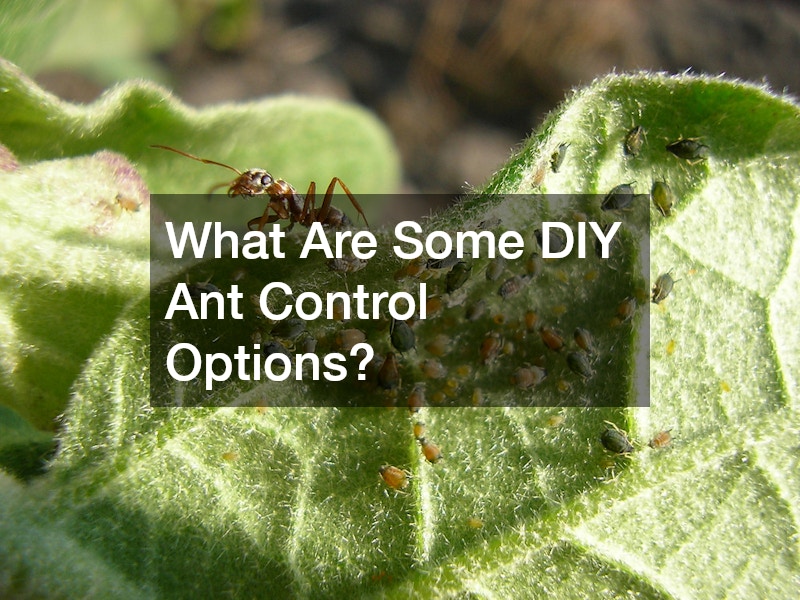

Ant infestations can be a nuisance for homeowners, but there are several DIY options to consider that may help effectively control these pests. This article will explore various questions and methods regarding ant control to help protect your home from these tiny invaders. Ants are social insects that live in colonies and are constantly foraging for food, which makes them common household pests.
Understanding these insects’ behavior is a crucial step in developing an effective control strategy. Let’s dive deeper into some useful DIY options for controlling ant infestations.
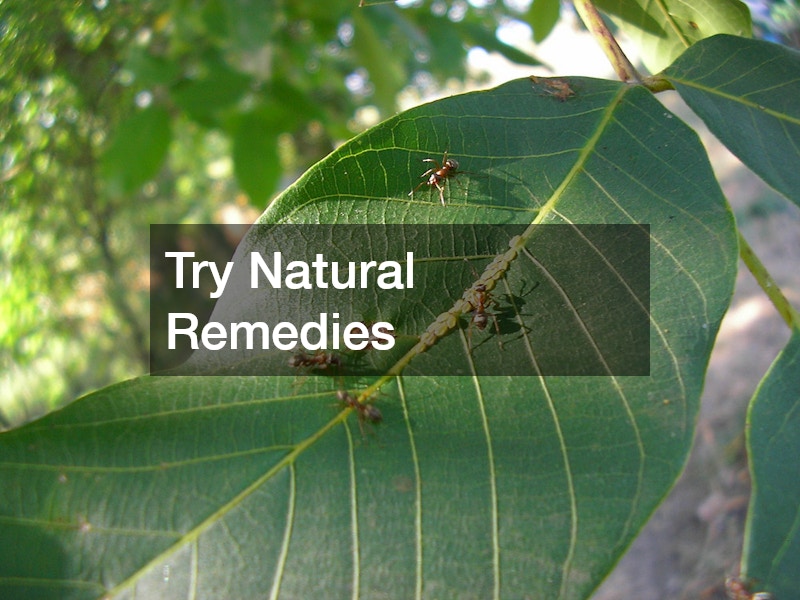
What Natural Remedies Help in Controlling Ants?
Using natural remedies is a popular method for controlling ants because they are often safe for indoor use and environmentally friendly. Many homeowners find success with ingredients like vinegar, which can disrupt an ant’s pheromone trail. Simply spraying a mixture of water and vinegar in areas where ants are frequently seen can deter them from returning. Essential oils, such as peppermint or tea tree oil, are also known to repel ants due to their strong scents. A few drops mixed with water can create an effective spray for windowsills and doorways.
Another effective natural remedy involves using diatomaceous earth, a powdery substance made from fossilized algae. When ants walk through diatomaceous earth, it adheres to their exoskeletons and dehydrates them. Sprinkle the powder along ant trails and entry points to reduce ant numbers significantly. It’s important to ensure the powder remains dry, as its efficacy diminishes when wet. Diatomaceous earth is non-toxic to humans and pets, making it a safe choice for inside the home.
Further, lemon juice is known to confuse an ant’s scent trail, making it difficult for them to return to a food source. Like vinegar, mixing lemon juice in equal parts with water can result in a useful DIY spray. Homeowners can apply this spray on countertops, around entry points, or anywhere ants are spotted. Additionally, using natural deterrents such as cucumber peels can ward off ants, as they dislike the bitterness. Placing peels near ant-infested areas can serve as a helpful ant deterrent.
How Can You Identify an Ant Infestation?
Ant infestations can often be identified by observing a few common signs inside your home. The most obvious sign is the presence of worker ants, which are seen roaming around in search of food. Another indication of an infestation might include finding a trail of ants, which can occur when they are traveling to and from the colony. In the warmer months, winged ants might emerge inside the home, signaling a nearby colony. Additionally, finding ant nests outside close to your home is a strong indication of a potential infestation problem.
Investigation work will reveal where ants are entering the home, which is fundamental to controlling them. Look for entry points such as cracks in walls, gaps in window frames, or poorly sealed doorways. Ant trails often lead to these entry points, which can then be sealed to prevent further access. Once entry points are identified, using baits or natural repellents can assist in eliminating the colony. Monitoring these areas consistently for a few weeks can disrupt the infestation cycle.
It is also crucial to recognize the specific ant species in your home as different species require different control approaches. Carpenter ants, for instance, nest in wood, whereas pavement ants often establish colonies in cracks in driveways. Identifying the species helps determine which DIY control method will be most effective. Keeping a detailed log of sightings and using the internet to compare images can assist with species identification. Documenting this information can provide valuable insights into the severity and location of the infestation.
What Are Some Safe and Effective Bait Options?
Baits are a popular option for ant control because they effectively target the entire colony rather than just individual ants. Borax-based baits, for instance, are commonly used in DIY approaches because they are affordable and potent. When ants carry the bait back to their colony, it acts slowly enough to allow it to be spread before its effects take hold. As a result, it gradually exterminates the nest, including the queen, leading to greater control success. It’s crucial to position baits strategically near ant trails to ensure they are discovered by foraging ants.
Homemade baits can be crafted using simple ingredients such as sugar, water, and borax. By mixing these components, you can create a bait solution that attracts ants due to its sweetness, while the borax is a lethal component. This solution can be soaked into cotton balls or placed in small containers and situated along ant pathways. Observing the baits daily is essential to refill them as needed, maintaining their effectiveness over time. Homemade baits are safe if kept out of reach of pets and children.
Additionally, commercial ant bait products are available that offer convenience and tested efficacy. These products generally come in pre-packaged stations that are designed to be placed along ant trails. Many of these baits are designed to be non-toxic to humans and pets when used as directed. It’s important to follow the instructions on these products closely for the best results. Persistence in maintaining bait stations and replacing them as needed is key to achieving long-term control of an ant infestation.
Which Preventative Measures Work Best Against Ants?
Preventative measures are essential in keeping ants from entering your home in the first place. One of the most fundamental steps is maintaining cleanliness by ensuring food crumbs and spills are promptly cleaned up. Storing food in airtight containers can prevent ants from detecting food sources. Regularly taking out the trash and keeping garbage bins sealed can also thwart ant access to food. Vacuuming floors and surfaces regularly will eliminate food particles that attract ants.
Sealing entry points is another crucial preventive strategy. This includes caulking windows, fixing door seals, and addressing any cracks and crevices found around the exterior of the home. Accessible entry points can give ants easy access, but sealing them off provides a physical barrier to prevent entry. It’s also beneficial to prune plants and tree branches that touch the home’s exterior to discourage ants from using them as bridges. Ensuring that gutters are cleaned prevents leaf accumulation, which can be an attraction for ants around the home.
Moreover, landscaping and yard maintenance play a role in preventing ant infestations. Keeping firewood stacked away from the house and leaving space between mulch and the foundation discourages ants from nesting near your home. Regular inspections of the home’s perimeter can help spot potential ant activities early on. Using barriers such as crushed stone or gravel along the foundation may deter ants due to their dislike for these types of surfaces. Implementing these preventative measures can greatly reduce the likelihood of needing extensive control efforts.
What Are Common Mistakes to Avoid in DIY Ant Control?
Despite the availability of effective DIY options, some common mistakes can undermine your efforts to control ants. One such mistake is the immediate removal or destruction of ant trails without addressing the underlying cause. Follow-up is often lost when simply wiping away trails, as it prevents the identification of entry points or nest locations. Instead, observe trails to understand their origin and apply targeted baits or barriers accordingly. Ensuring that baits are placed along these trails maximizes the chance of success.
Another mistake to avoid is using the wrong type of bait or remedy for the specific ant species. Knowing the type of ant is vital because different species can have varied food preferences and nesting habits. An incorrect bait type may result in ants avoiding the bait altogether, rendering control efforts ineffective. Researching and correctly identifying the invading species allows selection of the most fitting control method. Testing different treatments in small sections initially can determine what is most effective.
Lastly, inconsistency in following through with control measures can lead to incomplete eradication of ant infestations. Ant control requires patience and diligence, as colonies can take time to eliminate fully. Monitoring the treatment’s effectiveness and reapplying baits or methods as needed ensures that the entire colony, including the queen, is addressed. Ineffective treatments can result in a persistent infestation that could have been solved with consistent action. Learning from mistakes and adjusting strategies accordingly can streamline the DIY control process.
While DIY ant control options can be very effective, understanding the right methods and regular monitoring are key to keeping ants at bay. By employing natural remedies, identifying infestations early, and applying preventative measures, you can protect your home from these persistent pests. The journey to a pest-free home involves a combination of strategies that specifically target the identified species. Avoiding common mistakes and practicing patience will ultimately lead to successful long-term results. With diligence and the use of DIY methods, tackling an ant problem can be manageable and rewarding.